Independent Experts in
Food Contract Manufacturing

Whether you are an existing food brand or a newcomer, Cibus Nexum solves your outsourcing challenges with the best fit solutions.
  • Tackle your resource issues?
  • Reduce your time to  market significantly?
  • Need a qualified production partner ASAP?
Bringing in more than 75 years of experience, our food experts specialize in tailored outsourcing strategies and project execution. Helping you grow your food business.
Hero Hero
Circle

Fresh blue berries
Marcello Murru
Marcello Murru
Cargill

“Collaborating with Cibus Nexum was a productive experience. Their organized and agile approach was evident throughout our project. They effectively utilized their network and were diligent in contacting potential candidates once our objectives were clear. I appreciate their commitment and professional handling of the tasks at hand. Working with Arjen and Stijn was both rewarding and insightful.“

Charley Molleman
Charley Molleman
Zuivelhoeve

“Working with Cibus Nexum has been a professional experience. The team brings reliability to the table and their solid approach gave us confidence from day one. A truly valuable partner."

Ton Abbenhuis
Ton Abbenhuis
Flower Farm

"Engaging with Cibus Nexum transformed our approach to food mediation. Their unparalleled expertise and connections with pivotal companies are invaluable. In a world of generic solutions, they stand out authentically."

Gardar Stefansson
Gardar Stefansson
Good Good

"Eager to launch my new food concept, I turned to Cibus Nexum. Their expertise, from the initial idea to the final shipped product, is unmatched. Their commitment ensured top quality within the fastest possible time-to-market. Truly transformative!"

Karin Marquering
Karin Marquering
Wholy Bones

"Cibus Nexum was swift, always accessible, and clarified all specifics. Their ‘stippenkaart’ was an excellent start, with the Oost NL voucher as a bonus. A truly knowledgeable partner."

Daphne Kolader
Daphne Kolader
Cups of Green

"I recently used Cibus Nexum's services and it was worth every penny! Their market knowledge and attention to detail stood out. The guidance was results-focused. I highly recommend them and will use them again as I grow."

some of our clients

Aware
Yarrah
Wholy Bones
Vivera
Topfit
Flower Farm
StarBucks
Cocoa
Good Good
Arla
Cargill
Creamy Creation
Cups of Green
Fiber Foods
Danone
Ecotone
Foodcase
Formo
Friesland Campina
Hochdorf
Dole
A. Food
Johnny Cashew 1
Max Bien
La Vie
Tasty Fish
Umiami
Salmon

Discover more about the topics

Agile Upscaling
1
Agile Upscaling
Innovative pathways
2
Innovative pathways
Make or Buy
3
Make or Buy
Plant based manufacturing
4
Plant based manufacturing
Private Label
5
Private Label
Waste valorization
6
Waste valorization

The FoodFlow Method

Discover the power of the FoodFlow Method - a revolutionary approach that transforms your food production. With this innovative method you optimize your processes, increase efficiency and achieve impressive results.

Hamburger

Upscaling & Outsourcing

Production setup & briefing
Scout, engage, screen & select
Trials, Quality & Economics
Source, arrange & launch
Design
Find
Onboard
Launch

Business Development

Strategy & sales assets
Outreach & introduction
Trials & negotiations
Collaborate & Launch

Curious about how the FoodFlow Method can lead your company to success? Download our whitepaper and discover the method behind this groundbreaking concept.

I want more information first
Coffee beans
Salmon
Croissants

ITS TIME TO

Meet our experts

Arjen van der Wijk
Arjen van der Wijk
Managing Partner

Your Swiss Army Knife in Innovative Food Production Management & Agile upscaling. Arjen stands at the forefront of innovation in the food industry, bringing to the table a profound expertise in outsourced food production.

+ Read more... - Read less
+31 6 5044 8865
arjen.vanderwijk
@cibusnexum.com
Pascal Ruzius
Pascal Ruzius
Managing Partner

Your Trailblazer in Food Contract Manufacturing. Pascal Ruzius emerges as a seasoned connoisseur in the realm of Procurement FMCG and External Manufacturing, boasting a rich, international experience spanning over 25 years.

+ Read more... - Read less
+31 6 1090 5654
pascal.ruzius
@cibusnexum.com
Daniel de Smeth
Daniel de Smeth
Senior Project Manager

Hands-On Project Leader for Global Food & Beverage Success. Daniel de Smeth is an experienced project manager with a strong international track record in launching and managing innovative consumer packaged goods (CPG) brands in the Food & Beverage sector. At Cibus Nexum, Daniel plays a key role in guiding projects from strategy to execution — ensuring that outsourcing, innovation, and scale-up efforts translate into measurable results.

+ Read more... - Read less
31-+31 6 27372709
daniel.desmeth
@cibusnexum.com
Stijn de Bats
Stijn de Bats
Senior Advisor

Your Dedicated Expert in Food Production. Stijn de Bats is a veteran in the food industry, boasting over 25 years of international experience.

+ Read more... - Read less
Declan Godfrey
Declan Godfrey
Content Manager

Communications Specialist for Food Innovation and Sustainability Declan Godfrey is a seasoned marketing and communications expert with a passion for storytelling and a deep commitment to sustainable food systems. As Content Manager at Cibus Nexum, Declan uses the power of words to shape narratives that connect, inspire, and advance innovation in the food industry.

+ Read more... - Read less
Myrthe de Beukelaar
Myrthe de Beukelaar
Research Specialist

Insight-Driven Researcher for Food, Health & Sustainability Myrthe de Beukelaar is a dedicated research specialist with a strong academic background in Nutrition & Health and hands-on experience in data-driven projects for food and beverage innovators. At Cibus Nexum, Myrthe brings analytical precision and a systems-thinking mindset to support strategic decision-making in the evolving world of food outsourcing.

+ Read more... - Read less
Cindy Weber
Cindy Weber
Senior Expert

Your Visionary Food Concept Developer and Culinary Innovator Cindy Weber, an accomplished Food Concept Developer, comes with a wealth of over 25 years of experience in the Fast-Moving Consumer Goods (FMCG) sector.

+ Read more... - Read less
Jochem Wolthuis
Jochem Wolthuis
Senior Expert – German Market Strategy

Your Connector and Strategist for Dutch-German Food Market Expansion Drs. Jochem Wolthuis is a leading authority on the German food market, with over 25 years of experience connecting Dutch food companies to German retailers, foodservice providers, and importers. As founder and director of Duitsland Desk Agri, Food & Flowers, Jochem leverages a broad network of industry specialists and a hands-on approach to help businesses enter and thrive in Germany’s dynamic food landscape.

+ Read more... - Read less
Pieter Tielen
Pieter Tielen
Senior Expert

Your Dynamic Expert in Business Engineering and Procurement. Pieter Tielen, an alumnus of the Technical University of Eindhoven (TUe) with a degree in Business Engineering, brings a wealth of over 20 years of international experience to the forefront.

+ Read more... - Read less
Lonneke Rijkmans
Lonneke Rijkmans
Senior Expert

Your Pioneering Expert in Food Technology and Business Innovation. Lonneke Rijkmans, with her rich educational grounding in Food Technology and Business Administration, stands as an embodiment of expertise and versatility.

+ Read more... - Read less
Jeroen Brockhus
Jeroen Brockhus
Senior Expert

Your Distinguished Expert in Chemical Engineering and FMCG Innovation. Jeroen Brockhus, an alumnus of the prestigious Delft University of Technology with a specialization in Chemical Engineering, brings to the table over 35 years of extensive experience in the Fast-Moving Consumer Goods (FMCG) sector.

+ Read more... - Read less
Sabine Keizer
Sabine Keizer
Senior Expert

Your Accomplished Expert in Commercial Economics. Sabine Keizer, a seasoned professional in Commercial Economics, brings a wealth of over 25 years of international experience to the forefront, particularly in procurement for Fast-Moving Consumer Goods (FMCG) and External Manufacturing.

+ Read more... - Read less
Gita Gregor
Gita Gregor
Senior Expert

Your Expert Innovator in Food Technology. Gita Gregor, a seasoned expert in Food Technology, comes with a rich tapestry of over 25 years of international experience in the food industry.

+ Read more... - Read less
Cecile Veerman
Cecile Veerman
Senior Expert

Your enthusiastic and experienced food innovation professional. Cecile has over 20 years of industrial innovation experience and she gets energy from removing roadblocks in innovation trajectories to realize viable agri, food and biotech innovations towards a more sustainable and healthy future.

+ Read more... - Read less
Raphaelle O'Connor
Raphaelle O'Connor
Senior Expert

Your Visionary in Food Innovation and Nutritional Solutions Raphaelle O'Connor brings extensive expertise in food innovation, nutritional product development, and functional ingredient solutions.

+ Read more... - Read less
Peter Roepers
Peter Roepers
Senior Expert

Innovator in Food Technology and Beverage Development Peter Roepers, founder of PREfresco Beverage Lab, is a food technology expert who uses his technical knowledge and passion for innovation to help companies create high-quality, safe, and shelf-stable beverage products.

+ Read more... - Read less
Henk ter Avest
Henk ter Avest
Senior Expert

Henk ter Avest, graced with an MBA in Business Administration, emerges as a luminary in the field, backed by more than 25 years of international experience.

+ Read more... - Read less
Tobias Thiele
Tobias Thiele
Business Developer

Your Navigator in Scaling FoodTech & Ingredient Innovation. Tobias Thiele emerges as a seasoned commercial strategist in the realm of FoodTech, functional ingredients, and B2B business development, combining industry experience at FrieslandCampina with sales consultancy expertise at Hovingh & Partners. He brings over 10 years of international experience helping innovative food and ingredient companies scale successfully across Europe.

+ Read more... - Read less
Remco Breedt
Remco Breedt
SENIOR EXPERT

Your Strategic Mastermind in Supply Chain and Logistics Optimization Remco Breedt, with his solid foundation in Supply Chain Engineering, brings over 20 years of rich experience in the nuanced realms of Supply Chain management, logistics, warehouse management, order management, and planning.

+ Read more... - Read less
Fleur Brink-Aalbers
Fleur Brink-Aalbers
Sourcing Specialist

Driven by a passion for food and 10 years of international sourcing expertise in foodservice and retail, Fleur combines professional precision with a genuine human touch.

+ Read more... - Read less

Frequently Asked Questions

Find your answers directly!

Are you an agent?

Cibus Nexum is not an agent or middleman. We are an independent consultancy managing E2E projects for our client, which may also include finding and approaching manufacturers. We can do that directly or through the GrowinCo platform.

In both cases, we will ultimately deliver a shortlist of validated and screened potential partners, and these companies will be connected directly to our client after NDA and clarification meetings.

What kind of support does Cibus Nexum provide in terms of innovation in the food industry?

Our team includes experts in food industry innovation. We offer insights into the latest trends, help develop innovative product concepts, and provide access to cutting-edge technology and methods.

How does Cibus Nexum handle intellectual property and confidentiality concerns?

We adhere to strict confidentiality agreements and ensure that intellectual property rights are respected and protected throughout our collaboration.

Can Cibus Nexum help in reducing time-to-market for new products?

Absolutely! Our managed services are designed to streamline the process from supplier matching to implementation, significantly reducing the time-to-market for your new products.


How does Cibus Nexum ensure a good balance between quality and cost?

We prioritize both quality and cost-effectiveness. Our extensive experience and network allow us to identify and collaborate with suppliers who meet high-quality standards while also offering competitive pricing.

What is the cost of Cibus Nexum's services?

Our services are competitively priced, considering the comprehensive solutions we provide. We focus on delivering value that exceeds the cost, including time savings, access to a wide network of suppliers, and tailored solutions for your specific needs.

More frequently asked questions

Meet Cibus Nexum

In 90 seconds

Leaves
Strawberries

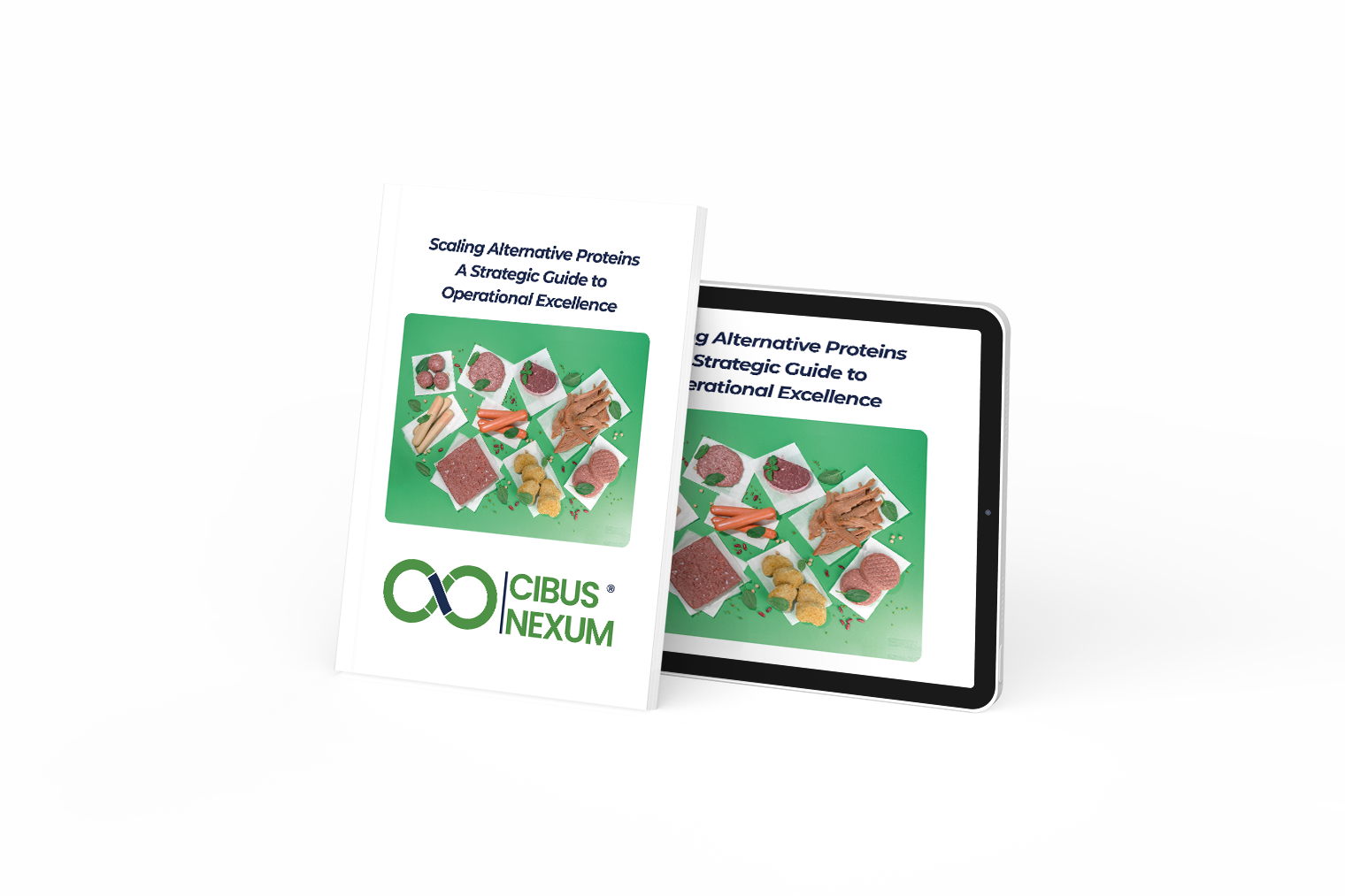
7 Common Pitfalls in Food Contract Manufacturing

An Essential Guide for Innovative Food Brands

This whitepaper is totally different


  • No direct consumer marketing strategies for food products
  • No nutritional science and product innovation
  • No retail and distribution channel strategies
  • No consumer behavior and market research
  • No sustainability and environmental management in food production
  • No food policy and regulation insights
  • No technological advances in food production
  • No funding strategies for emerging food businesses
  • No international expansion and globalization
  • No crisis management and emergency preparedness

Revolutionize your food production

Download Now
Leaves
Whitepaper
close

7 Common Pitfalls in
Food Contract Manufacturing

One moment please...

Raspberry ice cream
Cookies

Cibus Nexum Blog

How to Enter the Dutch Food Ecosystem: Guide for International Food Scale-Ups Ready to Launch or Expand in the EU

How to Enter the Dutch Food Ecosystem: Guide for Inter­na­tional Food Scale-Ups Ready to Launch or Expand in the EU


For international food scale-ups and manufacturers, the Netherlands is a prime location in Europe for launching food innovations and expanding manufacturing. In the Dutch food ecosystem, your company can benefit from a business-friendly climate, advanced infrastructure, and a strong network of suppliers and partners. International scale-ups benefit from a unique combination of advantages in the Netherlands: The Netherlands offers robust manufacturing, high standards, and a dense supplier network, providing easy access to the EU market and strong support for scale-ups. Despite these benefits, entering the Dutch food ecosystem is challenging. Scale-ups face issues finding the right contacts, navigating requirements, and managing introductions. Recognising these bottlenecks helps you enter more efficiently. Who do you talk to first?Which facilities are relevant?How do you avoid wasting months on introductions that go nowhere? This guide is tailored for international food scale-ups and manufacturers. It will help you enter the Dutch ecosystem efficiently and reduce risks as you prepare for EU manufacturing. Let’s explore why the Netherlands is a prime location for your growth. Why the Netherlands Is a Strategic Base for EU Food Manufacturing and Scale-Up International brands choose NL when they need: They want a stable manufacturing base that meets EU rules, easy access to partners, and faster entry to retail and foodservice markets. Close proximity to key markets and a strong quality culture make the Netherlands a wise choice. The greatest advantage is the concentration of resources within a small geographic area. Within a small area, you can reach many different partners, such as: You can quickly connect with co-manufacturers, suppliers, packaging partners, laboratories, and technical experts. With so many options, the main challenge is efficient navigation. Understanding common obstacles is essential before jumping in. The 5 Bottlenecks International Food Scale-Ups Face Entering the Dutch Market Many teams waste time due to mismatches between product requirements and manufacturing capabilities. A producer's "yes" does not always mean process fit. Documentation and compliance expectationsEU requirements and retailer standards can differ from home markets. Network noiseYou may receive numerous introductions, but not enough qualified options. Unclear decisionsTeams lose direction without early decisions on piloting or scaling up. Onboarding and execution riskTrials can fail without clear success criteria or change control from the start. Now, let’s look at how to set yourself up for success with concrete steps. Fast-Track Steps for Entering the Dutch Food Ecosystem and EU Manufacturing Step 1 — Define your EU manufacturing profile Before contacting partners, define your product, process needs, target volumes, and growth plans. List packaging specs, limitations, required standards, certifications, and key claims. Anticipate regulatory hurdles, including EU and Dutch requirements and relevant certifications. This helps you focus on critical needs and streamlines your search. Step 2 — Build a shortlist, not a longlist Shortlist 5 to 8 realistic candidates who fit your process, have capacity, maintain solid documentation, and match your goals. This keeps your focus on the most relevant partners. Step 3 — Validate with a structured vetting process Consistently vet your shortlist. Assess equipment compatibility, quality, documentation, capacity, schedules, contract terms, and IP boundaries. This covers all key areas. Step 4 — Plan onboarding as a controlled phase Manage onboarding as a controlled phase. Set trial protocols, criteria, change control, and required documentation. Plan packaging trials, scale-up timelines, and the path to full production. Moving forward, consider how tailored support can help accelerate this process. Cibus Nexum: Supporting International Food Scale-Ups in the Dutch Food Ecosystem At Cibus Nexum, we support international food scale-ups in entering the Dutch food ecosystem efficiently and with confidence. This is highlighted by our being a facility partner at Accelerate in NL (Functional Ingredients Edition), where we’re helping startups, scaleups, and SMEs enter the Dutch Market. Cibus Nexum adds value to scaling food innovators by staying objective and unaffiliated with manufacturers. Unlike brokers, we don’t promote specific partners. Unlike consultants, we do more than deliver reports: we’re hands-on partners from requirements to onboarding. Our approach eliminates network noise, directly connects you to qualified options, and manages the process so you move quickly and confidently. Are You Ready to Accelerate Your Entry into the Dutch or EU market? If you are an international food scale-up preparing to launch in the EU, the Netherlands can serve as a strong base when navigated effectively. 👉 Want to enter the Dutch food ecosystem faster? Book a short intro call with our experts. We'll map your needs and outline the quickest path to a shortlist of Dutch and EU partners. 👉 Attending Plant FWD? Meet us there for a 1-on-1 session to discuss how your food scale-up can successfully launch in the Netherlands and the wider European market. 

01 April 2026
The Outsourcing Roadmap: Why the First Batch Isn’t a Strategy in Plant-Based Food Manufacturing

The Out­sourc­ing Roadmap: Why the First Batch Isn’t a Strat­e­gy in Plant-Based Food Man­u­fac­tur­ing

Perfecting your plant-based recipe is just the beginning. Moving to commercial production can introduce new problems, such as inconsistent quality and process issues, because small-batch methods often don't scale well. This article explains why having a clear plan is important for tackling these challenges and establishing a reliable process for a successful launch. Many alternative-protein companies manage their initial runs in months by partnering with flexible co-manufacturers, using pilot lines, and employing rapid prototyping. However, scaling plant-based foods in Europe is more difficult due to strict regulations, changing standards, and country-specific rules on claims and labelling. Factors like ingredient changes, processing steps, nutritional claims, allergens, shelf-life, sustainability, and EU regulations complicate scaling. For instance, switching between pea protein lots can alter viscosity, affecting texture and yield. Small adjustments can disrupt processes, highlighting the need for careful planning. If you are outsourcing, simply having a co-manufacturer is not enough; you need a clear roadmap. Why Fast Plant-Based Contract Manufacturing Outsourcing Often Breaks at Scale Short-term wins in plant-based outsourcing often come from low minimum orders, quick production, fast approvals, and immediate cost cuts. While these help market entry, long-term success depends on steady listings, growth, and reliable access. However, challenges like ingredient variability affecting consistency, functional performance at scale, regulatory documentation, maintaining claims, packaging, and process limits often force brands to switch co-manufacturers, reformulate, redesign packaging, or rebuild documentation. Rushing without a strategy can cause costly problems, such as delayed launches or increased costs, and hurt growth. To avoid this, companies should clarify scale needs, verify experience, agree on compliance and documentation, define quality standards, and plan supplier changes. Clear contracts and exit strategies are crucial for alignment and long-term success.  The Difference Between a Pilot Run and Scalable Plant-Based Manufacturing Many people see outsourcing in plant-based food as simple procurement, but it is actually a long-term partnership focused on process. There is a critical difference between: Producing a plant-based product onceandBuilding a repeatable, compliant, scalable manufacturing setup for alternative proteins A good outsourcing roadmap helps close this gap. Step 1: Define EU Compliance and Claim Requirements from the Start Before selecting a co-manufacturer, plant-based scale-ups should define: Allergen positioning and cross-contact realityShelf-life targets under real distribution conditionsPackaging and sustainability requirements12–24-month volume growth expectationsNon-negotiable quality standards Without clear requirements, manufacturing decisions often focus on what is easiest now instead of what will work long-term. To avoid this, founders should talk to regulatory experts to understand key European rules, such as food safety laws, correct nutritional and allergen labelling, and compliance with European Commission sustainability standards. Researching market needs, asking suppliers about their systems and compliance records, and working with experienced manufacturing partners can also help clarify expectations. Taking these steps early sets realistic goals and prevents expensive mistakes. Step 2: Choosing the Right Plant-Based Manufacturing Outsourcing Model Not every plant-based product follows the same path. Common outsourcing models include: Pilot-first plant-based manufacturingFast learning, higher unit cost, limited scalability Scale-ready alternative-protein manufacturingSlower onboarding, stronger systems, better long-term economics Hybrid outsourcing strategyPilot with one partner, scale with another (requires strict control) The biggest risk is not which model you choose but picking one without a clear purpose. Step 3: How to Vet a Plant-Based Food Co-Manufacturer for Long-Term Fit A technical 'yes' is not enough in plant-based manufacturing. Proper vetting should assess: Equipment and process compatibility (extrusion, emulsification, fermentation, etc.). For example, an extruder screw profile that does not match your dough can reduce throughput or cause inconsistent forming. Identifying such equipment bottlenecks during vetting can avert costly, recurring delays.EU documentation readinessCapacity realityRaw material and packaging supply stabilityCommercial structure and exit flexibility Many alternative protein scale-ups lose momentum at this stage. Scaling up plant-based food manufacturing can pose challenges, including supply chain bottlenecks and difficulties in setting up flexible manufacturing networks to meet retailer demands. When working with manufacturers, watch for warning signs such as vague or delayed documentation, limited experience with your product type, overpromising production capacity, or reluctance to share quality certifications and audit reports. If a manufacturer will not run realistic pilot trials or avoid technical discussions, these are also concerns. Spotting these issues early helps prevent costly problems later. Step 4: Compliance: Your Fast-Track, Not Red Tape In plant-based food manufacturing, compliance goes beyond labelling. It includes: Claims validation and legal interpretationAllergen management systemsTraceability and recall readinessFood contact and packaging complianceSupplier declarations If you build compliance into your process early, you can avoid having to reformulate, relabel, or get new approvals later. Step 5: Structured Onboarding for Scalable Plant-Based Contract Manufacturing The onboarding phase determines whether plant-based outsourcing becomes scalable. Best-practice onboarding includes: Final product specificationsTrial protocols and acceptance criteriaShelf-life validationPackaging line trialsDefined quality limitsThis approach shifts plant-based manufacturing from trial-and-error to a more controlled, reliable process. Checklist: Are You Ready to Scale Plant-Based Manufacturing in Europe? Rate yourself from 1 (not at all confident) to 5 (fully confident) for each question below. This quick self-check will show where your strategy is strong and where gaps might put your scaling at risk. Ask yourself: Can our manufacturer realistically support our growth curve? Are EU compliance and claims fully embedded in our documentation? Is our packaging validated at scale?If you score low or are unsure about answers, review your outsourcing strategy before scaling up. Ensuring regulatory compliance is crucial, as gaps can cause legal issues. Consult with your team or a co-manufacturing expert, such as Cibus Nexum, to ensure your strategy is solid and compliant. Acting now boosts confidence and reduces regulatory risks. These tips highlight why careful planning and compliance are vital in the growing plant-based food industry.  Why Manufacturing Strategy Determines Success in Plant-Based Food The most successful plant-based brands are not always the ones that launch the fastest. They are the ones that: ✔ Align product innovation with process reality✔ Embed compliance and quality early✔ Build partnerships designed for scale Speed helps you enter the market.But only a strong strategy leads to long-term success and a real competitive advantage. How Cibus Nexum Supports Plant-Based Manufacturing Outsourcing Cibus Nexum helps plant-based and alternative protein companies as independent experts. We usually start with a discovery call to learn about your goals, challenges, and current manufacturing setup. Then, we guide you through co-manufacturer scouting and vetting, roadmap development, and EU compliance planning. At each step, we provide clear deliverables, like supplier shortlists, risk assessments, and detailed action plans. Founders and teams stay involved through regular check-ins and workshops at key milestones, making sure knowledge is shared and everyone feels confident throughout the process. We guide teams through: Co-manufacturer identification and vettingEU-compliant outsourcing strategyIP-safe onboarding and trialsPilot-to-scale roadmap developmentEnd-to-end manufacturing execution We always focus on long-term scalability and do not have exclusive partnerships with any manufacturers.  Meet Us at Plant FWD (or Start the Conversation Before) If you plan to scale a plant-based product in 2026, having an Outsourcing Roadmap can help you avoid costly setbacks.  Meet us at Plant FWD to discuss your manufacturing roadmap, make-or-buy strategy, or scale-up challenges. Alternatively, book an introductory call before the event to prepare for a focused discussion. We help you turn your innovation into scalable manufacturing, making the process more efficient and helping you avoid expensive mistakes.

25 March 2026
Protecting Plant-Based IP in Manufacturing: Why an NDA Is Only the Beginning

Pro­tect­ing Plant-Based IP in Man­u­fac­tur­ing: Why an NDA Is Only the Be­gin­ning

Many founders hesitate to share their plant-based recipes when outsourcing manufacturing. They often say, "We can't share it. It's our edge."This fear can delay outsourcing, even when the business needs to grow. An NDA is important, but it does not fully protect your intellectual property (IP) or your plant-based product. Securing your plant-based recipes depends on how you design processes, control information, and define terms in your contract manufacturing agreements.Why an NDA Alone Doesn’t Protect Your “Secret SauceAn NDA is a legal agreement that sets out expectations and helps ensure those expectations are met.However, NDAs do not cover every risk. You might share your recipe with the wrong people, or your data could spread internally. Manufacturers may learn important process details during trials or use information from your documents to create similar products.NDAs alone are not enough. Use multiple layers of IP protection in plant-based manufacturing through segmented information, process design, and strong contract manufacturing agreements. Consider these safeguards for protecting food innovation and intellectual property.Step 1: Control What You Share (Information Segmentation for Food Manufacturing)Most manufacturers do not need to see your entire document. Break the information into sections and share only what is needed for each stage. Limit access to sensitive data.Only share the necessary details for each step and ensure access is tightly controlled within the team. Keep important information, such as ratios and key steps, confidential. Start with a functional specification and add more details as manufacturing progresses.Keep exact ratios and critical steps within your team. Begin with a functional specification and share more as your partnership grows.Step 2: Protect Key Inputs (Ingredient and Supplier Strategy)If your competitive edge comes from a unique plant-based ingredient blend, treat it as valuable property and protect it with food manufacturing best practices.Pre-blend key components or work with a trusted partner, so manufacturers receive only the finished blend.Limit access to detailed ingredient formulations to necessary personnel only.Monitor supplier contracts closely to stop unauthorised substitutions or manufacturers from sourcing ingredients on their own.Establish clear substitution rules that specify when and how changes happen.These steps help prevent reverse engineering and leakage of your recipe.Pre-blending inputs and using black box ingredients, along with strict contracts, collectively reduce risks. A good manufacturer should be able to make your product reliably without ever seeing your proprietary knowledge.Step 3: Lock Down Manufacturing Process Know-How (Not Just the Plant-Based Recipe)Much of your intellectual property is in the process. Critical details include processing temperatures, shear rates, hydration timing and order, extrusion settings, screw profiles, and precise mixing procedures. Each factor shapes your product’s final texture, yield, and stability.Document key specifications, control and record changes, and restrict manufacturer modifications.These steps protect your process knowledge and ensure you own all improvements.Step 4: Write IP Into the Contract Manufacturing Agreement for Plant-Based BrandsYour agreement should define IP, address who owns improvements, limit similar product development, ensure confidentiality for everyone involved, grant audit rights, and specify how to handle data and materials after the contract ends. Make sure your contract defines IP, including what existed beforehand and what is created during the partnership.Be clear about who owns any improvements to processes or products.Set clear non-compete clauses and explicit limits on whether the manufacturer can develop or produce similar products for other companies during and after your partnership.Make sure confidentiality covers all staff and subcontractors, and establish audit rights and clear rules for handling documents.Decide what will happen to all data, tools, and materials at the end of the contract.With these protections in place, confidentiality becomes routine.Step 5: Choose the Right Partner and Build Trust Through GovernanceChoosing the right partner helps protect your IP.Be on the lookout for warning signs: vague answers about confidentiality, resistance to limiting access, unwillingness to specify subcontractors, broad substitution rights, or hesitation to agree on change control. Build trust by having strong governance. Hold regular meetings, keep decision logs, set clear escalation paths, and outline onboarding and acceptance steps.A Quick Self-Check Before Your Next Manufacturer MeetingBefore your next meeting, check what you need to share. Make sure key ingredients are protected. Review contracts for process terms and the exit plan. If any of these answers are unclear, your IP could still be at risk, even if you have an NDA.How Cibus Nexum Helps Plant-Based Brands Protect Innovation and Intellectual Property While ScalingCibus Nexum helps plant-based brands outsource safely. We organise information disclosure, design black-box strategies, define process specifications, draft contracts, and choose manufacturers with strong controls.Meet Us at Plant FWDScaling in 2026?Are you ready to grow your plant-based business without risking your intellectual property? We can help you develop a solid confidentiality plan for food manufacturing that safeguards your plant-based ideas as you expand.Join us at Plant FWD for a one-on-one session on IP and outsourcing, or schedule a call in advance so we can prepare a focused, practical discussion that meets your needs.Disclaimer: This article is for informational purposes only and does not constitute legal advice. For legal interpretation of NDAs and contract clauses, consult qualified counsel. 

11 March 2026
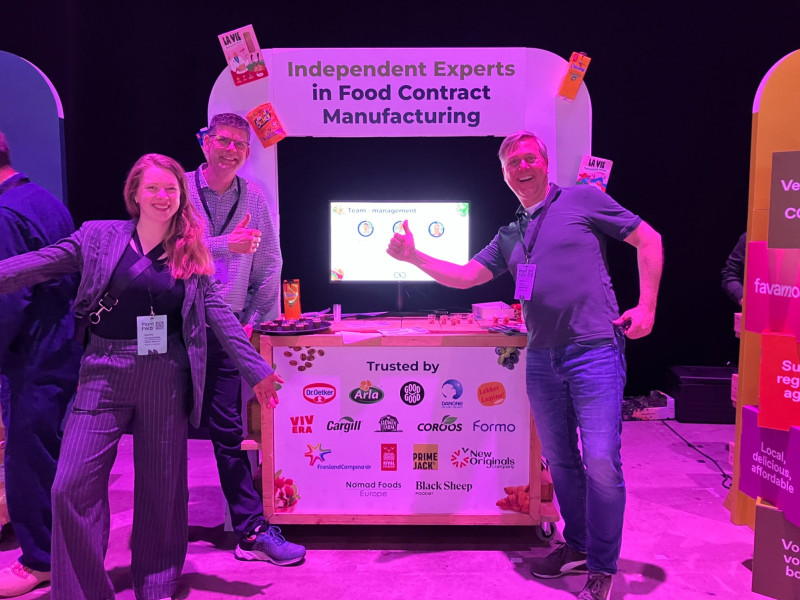
Cibus Nexum at Plant FWD 2026

Cibus Nexum at Plant FWD 2026

📅 Date: April 8–9, 2026📍 Location: Midden Nederland Hallen, the Netherlands🔗 Event info & tickets: https://www.plantfwd.com/Cibus Nexum is once again a partner and exhibitor at this year’s Plant FWD: the leading event shaping the future of plant-based food!As experts in food contract manufacturing and outsourcing, we help plant-based brands scale efficiently, find the right production partners, and navigate the complexities of manufacturing. Whether you’re a startup, brand owner, investor, retailer, or foodservice player, our independent, impartial support helps you scale faster, smarter, and more cost-effectively without losing control.Why Visit Cibus Nexum at Plant FWD?Scaling a plant-based brand comes with real hurdles: selecting the right co-manufacturer, translating recipes to industrial scale, validating processes, protecting IP, and managing cost and quality. That’s where Cibus Nexum comes in.At our booth, we’ll share practical insights on:Outsourcing vs. in-house production – Choosing the right strategy for speed, capex, and risk.Selecting the right contract manufacturer – What to check (and what to avoid) before you sign.Scaling efficiently – From lab to pilot to full production: recipe adjustments, processing parameters, and common pitfalls.Process validation, QA & shelf-life – Building consistency, compliance, and food safety into scale-up.Investment & growth decisions – Making production choices that support fundraising, margins, and long-term scalability.What to Expect at Our BoothIndustry expertise – Straightforward guidance on scaling plant-based production through outsourcing.1-on-1 conversations – Discuss your product, challenges, timelines, and partner options with our team.Who Should Visit?Plant-based startups & brands – Need the right co-manufacturer and scale-up roadmap?Retailers & foodservice providers – Want reliable supply and consistent quality for plant-based expansion?Co-manufacturers & supply chain partners – Open to collaborating on well-prepared, scalable projects?Join Us at Plant FWD 2026!The plant-based market keeps moving fast: your production strategy has to keep up. Cibus Nexum helps you turn innovation into commercial success with the right outsourcing approach, technical validation, and partner-fit: always independent and in your best interest.📅 April 8–9, 2026 | 📍 Midden Nederland Hallen🎟️ Tickets & details: https://www.plantfwd.com/We look forward to seeing you there!

26 February 2026
Case Study: How La Vie Scaled Plant-Based Bacon Across Europe Without Exposing Its IP

Case Study: How La Vie Scaled Plant-Based Bacon Across Eu­rope With­out Ex­pos­ing Its IP

La Vie, 77 Foods is a Paris-based player in the European market for meat alternatives. They are involved in retail and foodservice. They gained early success with their plant-based bacon and later added sausages to their lineup. Demand was rising quickly. However, growing a successful product in a competitive market comes with challenges. You need more capacity, reliability, and speed, without losing what makes the product unique.That’s where Cibus Nexum stepped in.At a Glance  Client: La Vie, 77 Foods  Category: Plant-based meat alternatives (bacon, sausages)  Challenge: Scaling issues in downstream processing while expanding production without risking IP  Cibus Nexum services: Supply chain strategy and implementation, partner identification, guided exploration and trials, flexible expert support using the FoodFlow method  Outcome: IP-secured early production steps, multiple European production hubs, and an agile manufacturing setup designed for growth  The Challenge  La Vie faced scaling challenges, especially in downstream processing. These stages can easily create bottlenecks as volumes increase, and performance must remain consistent across customers and channels. At the same time, they wanted to grow their production capabilities while keeping tight control over their intellectual property. In the plant-based sector, this combination can be tricky. Growth often requires outsourcing, which can lead to risks like IP leakage, quality issues, and supply chain lock-in.La Vie needed a system that allowed for growth while maintaining control.What Cibus Nexum Delivered  Cibus Nexum supported La Vie in two connected phases:1) A solid supply chain design focused on scale and IP protection  First, we worked with La Vie to create a supply chain strategy that aligned with their growth goals, production needs, and IP considerations. The aim was not just to “find a factory.” It was to develop an operating model that defined which steps must remain under control and which can be scaled with the right partners.2) Implementation support turning strategy into reality  Next, we helped put this strategy into action by:- Setting up the supply chain in practice- Identifying the right partners for processing steps- Guiding exploration and trials to verify feasibility and reduce risks in scaling decisionsThis is where many scaling efforts stall. The strategy may look solid on paper, but the partner landscape, trial results, and operational constraints often require difficult compromises. Our role was to keep progress moving while ensuring quality, speed, and IP protection remained in balance.How We Handled Downstream Scale-up Without Risking IP  This project showcases Cibus Nexum’s FoodFlow method in action, guiding a roadmap toward controlled, scaled production, step by step.FoodFlow is especially useful when a brand needs to scale while handling sensitive knowledge. Instead of quickly moving to a single supplier model, we structured decision-making around controlled steps, verified learning loops, and practical partner fits. This approach allowed La Vie to scale confidently.Cibus Nexum also served as an extension of the client’s team, providing flexible expert support to add capacity and production expertise where needed.The Results  With the new setup, La Vie is now able to: Secure IP in the early production stages  Protecting critical knowledge from the start reduces exposure while still allowing for growth.Operate multiple production hubs in Europe  A multi-hub strategy enables La Vie to adjust to local needs and support broader European expansion.Manufacture in an agile setup suited for growth  Instead of being limited to a single production path, the supply chain is designed to scale with demand.Why La Vie Chose Cibus Nexum  La Vie chose Cibus Nexum because:Our team’s flexibility matched the needs of a rapidly changing scale-up projectOur network of vetted co-manufacturers sped up partner identification and lowered risksOur production expertise across various technology readiness levels helped prevent or navigate common scaling challengesLesson Learned Even with a solid plan, we had to adjust direction several times during the project. The key takeaway: start with a clear plan, but remain open to feedback from manufacturers. Insight from experienced producers can challenge assumptions and refine requirements, often leading to improved scalability and execution.Are You Ready to Scale Up?  If you’re looking to expand production for a food innovation and want to maintain control, Cibus Nexum can help you design and implement an outsourcing-ready supply chain that balances speed, partner fit, and IP protection.Want to apply FoodFlow to your scaling roadmap?

25 February 2026
Call me back?
Arjen van der Wijk
close

Call me back request

One moment please...