


Boost Your Food Innovation with the FoodFlow Method
Efficiency and innovation are critical in food production. Developed by Cibus Nexum, the FoodFlow Method transforms production management for companies seeking operational improvement without compromising quality.
The FoodFlow Method consists of four stages: Design, Find, Onboard, and Launch. Each stage builds on the previous one, guiding your product from concept to market. This approach clarifies your needs, connects you with the right partners, and supports a successful launch.
Here's How the FoodFlow Method Stands Out:
- Tailored Fit: We customise each step to align with your company's values and needs, ensuring your product reflects your brand and appeals to your target audience.
- Strategic Partnerships: We leverage our network to connect you with manufacturing partners, supporting your growth and innovation goals.
- Impressive Outcomes: Our method delivers proven results, enabling business growth and a stronger market position.
Our FoodFlow Method
Are launching a new concept, scaling an emerging business, valorizing side streams, benchmarking your current production setup or accelerating innovation as a brand?
We transform promising ideas into commercially viable, scalable solutions:
Discover the power of the FoodFlow Method!
A revolutionary approach that transforms your food production. With this innovative method you optimize your processes, increase efficiency and achieve impressive results.
Upscaling & Outsourcing
Production setup & briefing
Scout, engage, screen & select
Trials, Quality & Economics
Source, arrange & launch
Design
Find
Onboard
Launch
Business Development
Strategy &
sales assets
Outreach & introduction
Trials & negotiations
Collaborate & Launch
Our FoodFlow Method
Are launching a new concept, scaling an emerging business, valorizing side streams, benchmarking your current production setup or accelerating innovation as a brand?
We transform promising ideas into commercially viable, scalable solutions:
Discover the power of the FoodFlow Method!
A revolutionary approach that transforms your food production. With this innovative method you optimize your processes, increase efficiency and achieve impressive results.
Upscaling & Outsourcing
Business Development
The Four Pillars of the FoodFlow Method
The FoodFlow Method includes four clear stages designed to transform your food production process. Each stage builds efficiency and quality, taking your product from idea to consumer.
- Phase 1: Design
In the 'Design' phase, we lay the groundwork for success. Together, we define the scope, requirements, and aspirations for your product. This includes creating a Product & Packaging Brief that matches your brand and market needs. This stage ensures every next step is guided by your objectives, creating a clear foundation for partner search and selection. - Phase 2: Find
In the 'Find' phase, possibilities become opportunities. Using our network and expertise, we identify potential manufacturing partners who best match your needs. The aim is more than finding a supplier; it's about securing the right fit. We apporach vetted candidates incognito and create a refined shortlist. By the end, you have a selection of well-matched partners, ready for the next steps. - Phase 3: Onboard
The Onboard phase is central to the FoodFlow Method. We facilitate engagement with shortlisted candidates, review project details after NDAs are signed, and manage clarifications, proposal reviews, and negotiations. Our goal is to secure a partner aligned with your objectives. - Phase 4: Launch
In the Launch phase, we collaborate with your chosen co-manufacturer to develop a detailed action plan that covers agreements and preparations for the initial production run. We ensure every supply chain step, from sourcing to process optimisation, is ready for a successful launch.
Each phase is interconnected, improving food production at every stage and ensuring your operations run efficiently. The FoodFlow Method is an adaptable ecosystem that supports your needs and helps your product excel in quality, innovation, and market fit.
Maximising Potential: The 7 Benefits of the FoodFlow Method
The FoodFlow Method offers a strategic advantage in the competitive food production industry. Key benefits include:
- Improved Product Development
The FoodFlow Method improves product development by starting with a detailed design phase, ensuring every aspect of your product is accurate and market-ready. This approach protects your business interests while delivering products that meet consumer needs. - Efficient Outsourcing
Efficient outsourcing is essential. The FoodFlow Method excels in the Find and Onboard stages by carefully selecting partners, saving you time and resources. This reduces lead times, lowers costs, and increases production flexibility. - Quality and Compliance Upsurge
Quality matters. The FoodFlow Method improves it by carefully choosing partners and monitoring them during the Onboard phase. We run quality checks to ensure all products meet top standards and customer needs. - Supply Chain Optimisation
The Launch phase optimises your supply chain, ensuring smooth material flow, minimising delays, and maintaining inventory control. This responsiveness gives you a competitive advantage. - Risk Mitigation
Careful selection of co-manufacturers reduces outsourcing risks. By partnering with trusted suppliers who meet your standards, the FoodFlow Method safeguards your business and reputation. - Scalability and Flexibility
The FoodFlow Method supports business growth by enabling easy adjustment of production levels and rapid response to market changes. Flexibility is integrated at every stage, allowing you to scale without compromising quality or efficiency. - Sustainable Practices
Improving the supply chain helps make production more sustainable. We focus on using resources efficiently. Our experts help find ways to reduce waste and valorise sidestreams. This helps the environment and makes your brand more attractive to ethical consumers.
Streamlining Expertise: From Knowledge to Tailored Solutions
The FoodFlow Method competes with traditional food innovation pathways by combining expert knowledge with a robust network. Each step is carefully managed to ensure smooth and precise operations.
- Research & Network
We begin with thorough research into market trends and emerging technologies. Our extensive network of professionals, suppliers, and manufacturers is rigorously vetted for quality and reliability. This network evolves with each project, ensuring that clients have access to top industry partners. - Tools & Analyses
A team of experienced experts leads the FoodFlow Method, covering all aspects of food production from research to quality control. Our experts extract valuable insights at every stage, using these findings and our tools to help you select the right partners and build a resilient, flexible supply chain. - Align & Setup
Alignment with your business goals is central to the FoodFlow Method. We collaborate closely to ensure each project component meets your needs. During setup, our experts manage the production line, preparing all elements for optimal performance and growth. - Continuous Improvement
Our expertise with the FoodFlow Method extends beyond initial setup. We are committed to continuous improvement, providing ongoing support after launch and staying current with market changes and new technologies to guide you through future challenges.
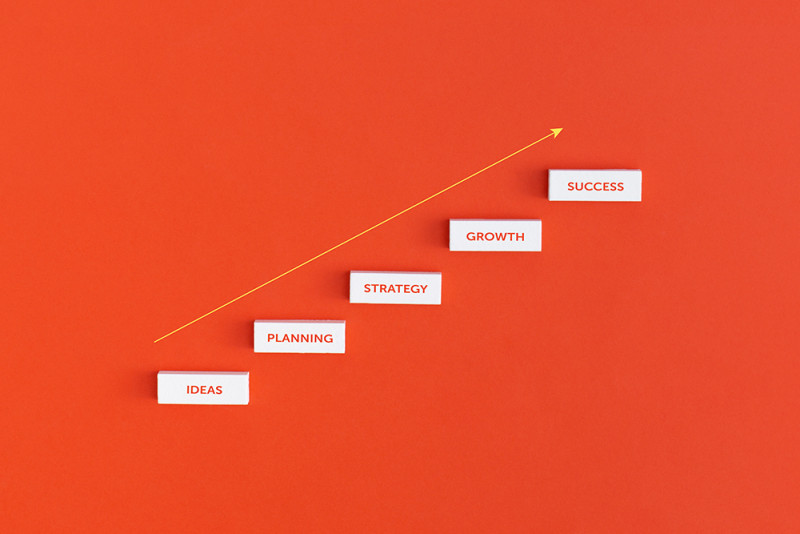
Implementing the FoodFlow Method: A Step-by-Step Guide
Implementing the FoodFlow Method is a customised process tailored to your business's needs and goals.
Here's how you implement the FoodFlow Method with Cibus Nexum:
- Step 1: Initial Consultation and Needs Assessment
Engage with our team for an in-depth consultation. In a workshop, we discuss your vision, challenges, and expectations, while incorporating our expertise and market insights. This stage is crucial for setting clear objectives and understanding your business's unique needs. - Step 2: Customising the Brief
We work with you to create a detailed brief covering product details, market position, and branding needs. This document guides the process and keeps every step focused on your goals. - Step 3: Curating Your Network
Based on the brief, we use our extensive network to identify potential partners and resources. This curated selection aligns with your needs and ensures partners meet your specific criteria and standards. - Step 4: Detailed Analysis and Selection
Our experts carefully review potential partners and solutions, providing clear, data-driven advice to help you select the best options for your production. - Step 5: Matching and Negotiating
Once a match is identified, we facilitate introductions and negotiations. Our team assists in drafting contracts and agreements to protect your interests and establish a strong partnership. - Step 6: Implementation and Oversight
Once all parties are aligned, we implement the plan. Our team remains involved to ensure an efficient and high-quality setup. - Step 7: Quality Control and Fine-tuning
As production begins, we monitor quality control to ensure all standards are met. We fine-tune processes as needed to maintain product excellence. - Step 8: Scaling and Future Planning
We help you plan for growth. As your business expands, the FoodFlow Method adapts to increased production needs and evolving market trends. - Step 9: Continuous Support and Evolution
Our support continues after setup. We provide ongoing advice and insights to ensure the FoodFlow Method continues to drive your business growth.
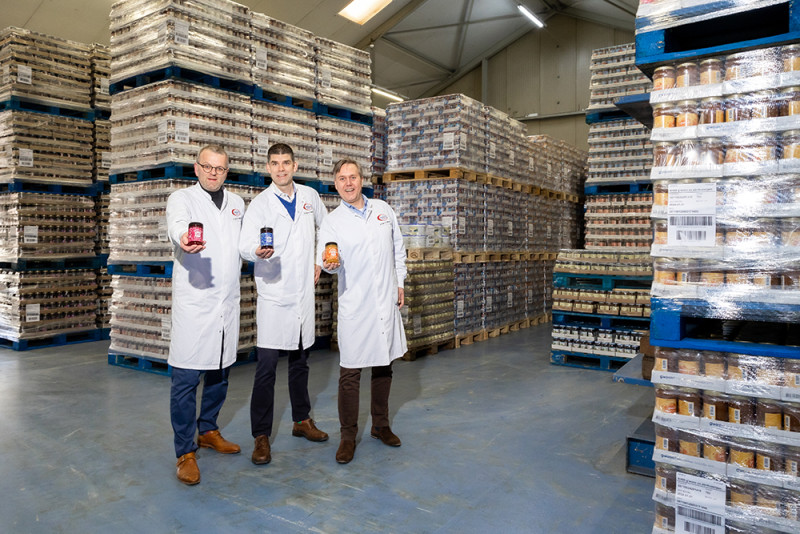
The Value of the FoodFlow Method: Your Strategic Ally to Revolutionising Food Production
In summary, the FoodFlow Method demonstrates how innovation transforms food production. It sets new industry standards by combining research, expert analysis, and a robust supply chain to deliver greater efficiency, quality, and growth.
Ready to boost your food production with greater efficiency, quality, and innovation? Cibus Nexum is here to help you with our FoodFlow Method.
Frequently Asked Questions about our FoodFlow method:
What is the FoodFlow® Method?
The FoodFlow® Method is Cibus Nexum's structured approach for developing a contract manufacturing setup and bringing it through to commercial launch. It guides a project through four connected phases: Design, Find, Onboard and Launch.
The process starts by defining the product, packaging, supply-chain and manufacturing requirements, continues with identifying and validating suitable co-manufacturers, and then moves through technical and commercial onboarding toward an operational manufacturing setup and first production run. The method is structured, but it can be adapted to the specific needs of the project.
Why does FoodFlow® start with a Design phase instead of immediately searching for manufacturers?
Because finding a manufacturer is only useful when there is clarity about what the manufacturer actually needs to deliver.
During the Design phase, Cibus Nexum works with the client to define the project setup, search strategy, supply-chain configuration and manufacturing requirements. Product, packaging, processing, shelf-life, storage and temperature requirements are captured in a Product & Packaging Brief. The phase also considers different contract-manufacturing scenarios and the balance between the client's IP and the capabilities and interests of potential producers.
This provides the foundation for a much more targeted Find phase.
How does Cibus Nexum find suitable co-manufacturers?
During the Find phase, Cibus Nexum first establishes a longlist using its existing database, scouting expertise, vetted network and international platforms.
Potential partners are then filtered against the requirements defined during Design. We approach selected companies mostly incognito and they will receive a Request for Information.
The RFI typically includes a summary of the Product & Packaging Brief and, where useful, a structured questionnaire. Responses are screened and followed by clarification discussions to assess factors including experience, capacity, market knowledge and willingness to take on the project.
The result is a validated shortlist of suitable manufacturing partners, together with a recommendation for the preferred candidates.
Can the search for a co-manufacturer be carried out confidentially or anonymously?
Yes, of course, that is one of our USP's !
FoodFlow® allows the search strategy to be adapted to the confidentiality requirements of the project, including the possibility of approaching potential manufacturing partners anonymously during the initial search.
The client's identity and more detailed project information can be disclosed later in the process, once appropriate parties have been shortlisted and Non-Disclosure Agreements are in place. This allows the market to be explored while controlling when commercially sensitive information is shared.
How do you compare potential manufacturing partners objectively?
FoodFlow® uses predefined project requirements and, where appropriate, an evaluation matrix established during the Design phase.
Rather than selecting a manufacturer simply because it has the right equipment, the process considers a broader set of criteria, including technical capabilities, experience, capacity, market knowledge, interest in the project and compatibility with the defined supply-chain and production requirements.
Initial responses are compared, clarification discussions provide additional information, and the candidates are progressively filtered toward the most suitable shortlist.
What happens once suitable manufacturers have been shortlisted?
That is where the Onboard phase begins.
After appropriate NDAs are in place, shortlisted manufacturers receive more detailed information about the client, its ambitions and the project. Clarification meetings are organised between the client, Cibus Nexum and the potential partners, followed by budget proposals and further evaluation.
The phase brings together three important workstreams: commercial, including proposals and negotiations; technical, including recipe preparation and industrial trials; and quality, including screening, assessment and where appropriate auditing.
The intended outcome is a preferred co-manufacturer, approved samples, an approved supplier and a commercial framework that can progress toward launch.
Does FoodFlow® also cover product trials and industrial scale-up?
Yes. Trials form an important part of the Onboard phase.
Depending on the project, this can include preparing the recipe, assessing process parameters, pilot or industrial trials and evaluating the resulting samples. Quality screening and verification of relevant certifications can also form part of this stage, with an on-site audit available where appropriate.
This means the manufacturing decision is not based solely on what a potential partner says it can do: the process creates an opportunity to evaluate whether the product and process can actually be transferred successfully into the proposed manufacturing environment.
How does FoodFlow® address intellectual property and confidentiality?
IP considerations begin during the Design phase, when Cibus Nexum assesses the relationship between the client's intellectual property and the capabilities and interests of potential producers.
Information can be disclosed progressively during the search, and the initial Find phase can be conducted anonymously if appropriate. Before shortlisted parties receive more detailed information during Onboard, NDAs are put in place.
This staged approach allows enough information to be exchanged to evaluate manufacturing feasibility while providing a framework for managing commercially sensitive product and process information.
Does the FoodFlow® Method stop once we have selected a manufacturer?
No. Selecting a co-manufacturer is only part of the process.
The Launch phase focuses on preparing the manufacturing relationship and supply chain for the first commercial production run. Cibus Nexum works with the onboarded manufacturer to establish an action plan covering joint objectives, responsibilities, operations and communication.
Topics include cost management, the supply agreement, Service Level Agreements, sourcing of raw materials and packaging, production preparation, storage, transport, export, quality requirements, claims, declarations, nutritionals, legislation, final packaging and label approval, and specification management.
What should we have achieved at the end of the FoodFlow® process?
The objective is to move from an initial manufacturing need to a fully operational manufacturing setup ready for commercial production.
Across the four phases, FoodFlow® progressively develops the Product & Packaging Brief, creates and validates the manufacturer shortlist, establishes the preferred partner, supports technical and quality approval, and prepares the commercial and operational framework for launch.
At the end of the Launch phase, the intended deliverables include a production setup ready for the first commercial run, a negotiated and signed supply agreement, sourcing arrangements for ingredients and packaging, and the supporting supply-chain, quality and operational processes.
Take the Next Step in Food Innovation with the FoodFlow Method
Contact us today. Our team of experts can help you get the most from your food production. Whether you're a startup or an established company looking to grow, we're here to support you at every step.
Schedule a consultation. Our specialists are ready to review your processes, understand your challenges, and recommend solutions to improve your operations.




Call me back request