







How to Vet a Plant-Based Co-Manufacturer: 5 Essential Checks Before You Scale
Vetting a plant-based co-manufacturer is critical for scaling an alternative protein brand.
As the industry grows, selecting the right partner is essential. Brands that rush through this process often encounter quality or supply issues that jeopardise food safety, product consistency, and brand reputation.
Selecting a co-manufacturer is not just about production capability. Your partner must deliver consistent quality, scale capacity as needed, and comply with all industry regulations and retailer standards. A poor choice can result in delays, lost listings, or costly reformulations.
This guide outlines how to vet a plant-based co-manufacturer to support your brand’s growth. Following these steps will help you onboard retailers faster, reduce recall risks, and build a resilient supply chain.
1. Check Their Equipment and Processes Truly Fit Your Product
Not all plant-based manufacturing experience is equal.
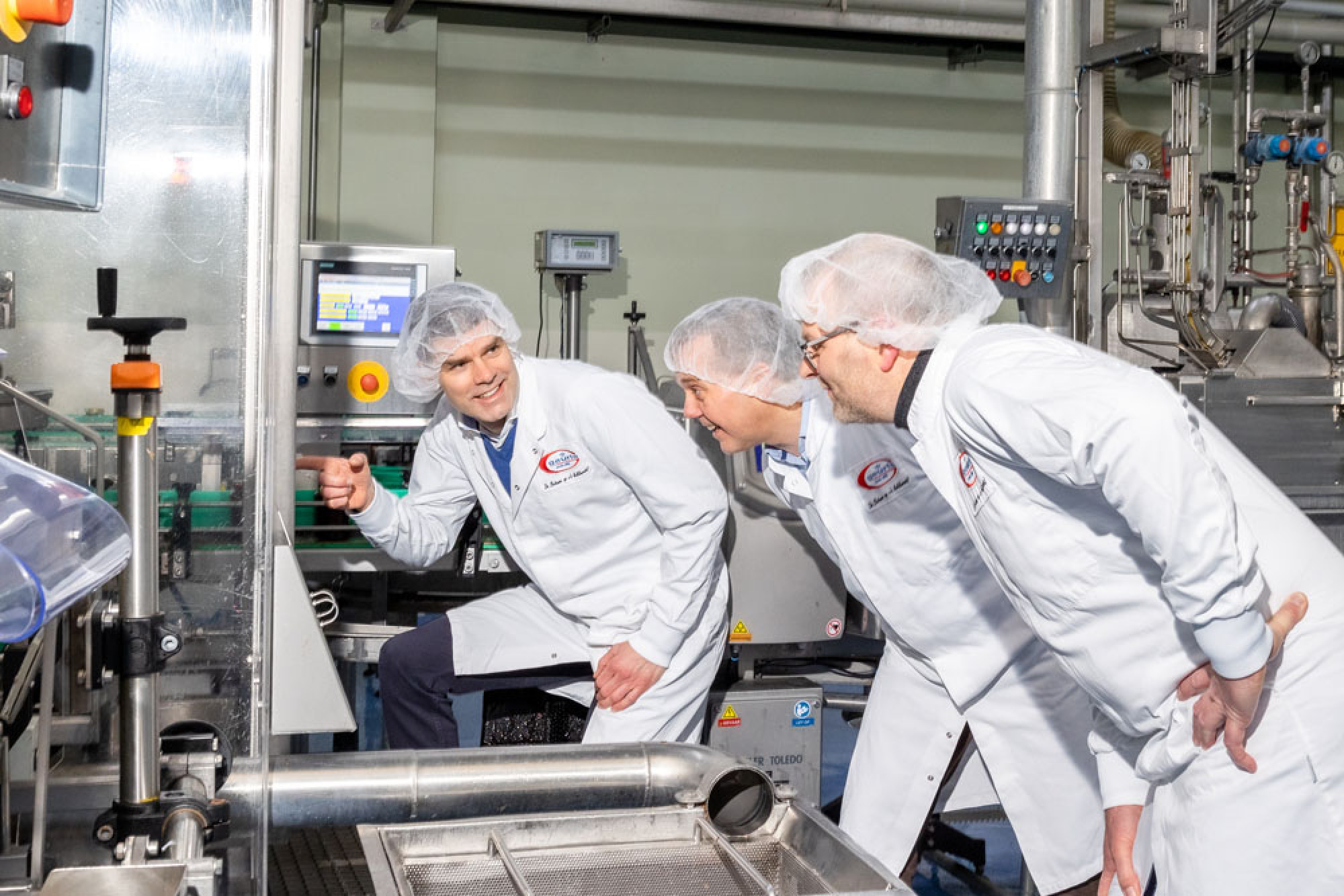
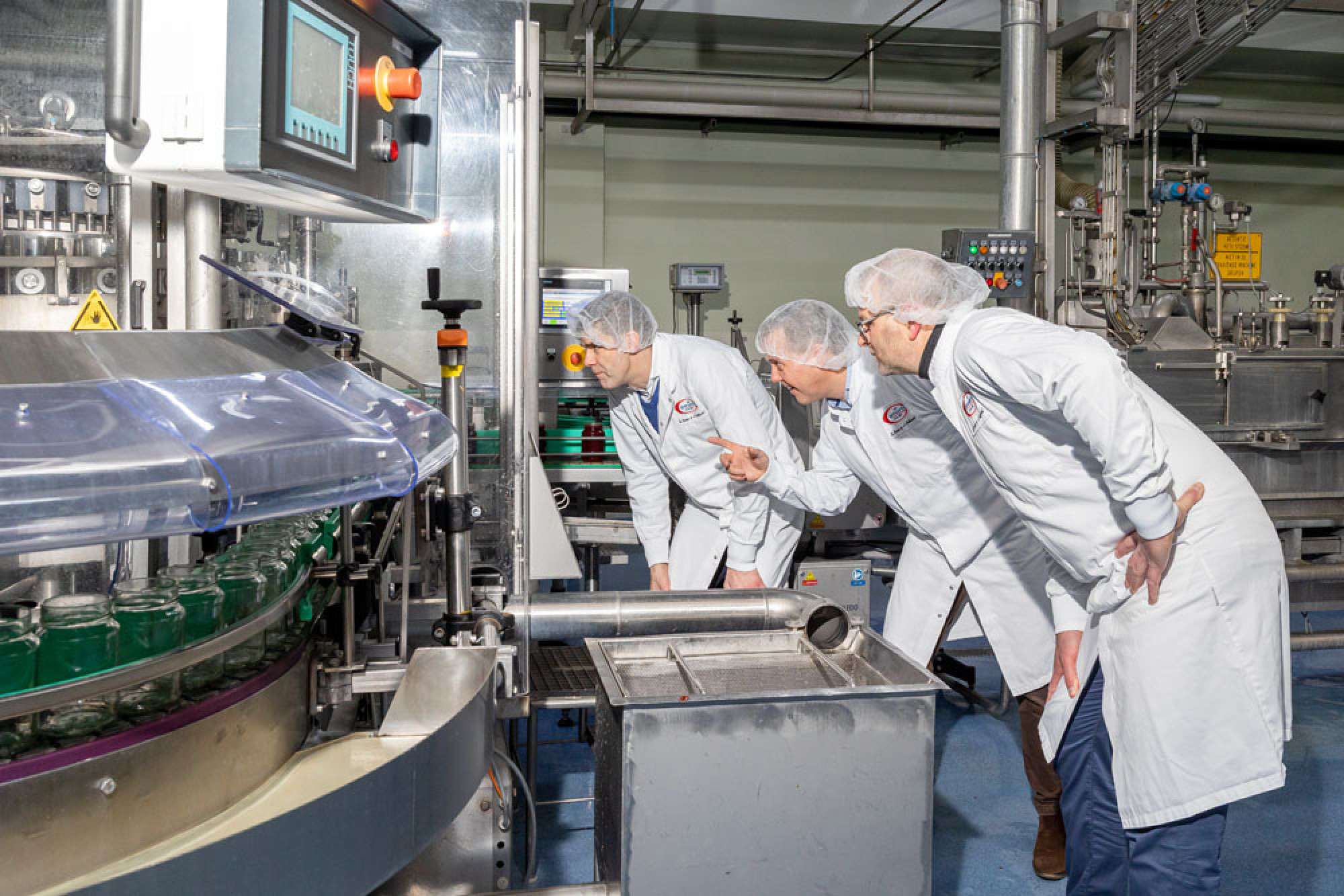
Go beyond general claims by having detailed discussions with potential manufacturers. Ask about the specific equipment they will use and whether their extruder screw configuration is suitable for your formulation. Ask about their approach to protein variability and compare their throughput and efficiency with those of similar products.
If there is a mismatch, you may face inconsistent texture, reduced yield, high waste, or production downtime.
Request evidence, such as production records, trial reports, or client references for plant-based SKUs. Reviewing this documentation will confirm whether they can meet your needs.
2. Assess the Strength of Their Quality and Food Safety Systems
During scale-up, small issues can quickly escalate. Carefully evaluate the maturity of a potential partner’s quality and food safety systems, which are critical for regulatory compliance and retailer acceptance.
Do not rely solely on certificates. Ask them to explain their HACCP practices, allergen management, ingredient traceability, and deviation management. Review their audit history and request audit reports, allergen control logs, traceability records, corrective action reports, and cleaning validation documents.
The depth, accuracy, and speed of their responses will reveal the true strength of their systems. If documentation is slow or incomplete during vetting, it is unlikely to improve later. In plant-based manufacturing, documentation is not just administrative. It underpins product safety, regulatory compliance, and market access.
By clearly stating your documentation expectations upfront, you set the standard for your co-manufacturing partners and reduce the risk of regulatory or compliance issues later. Retailers often value documentation as much as the product itself. Once you’re confident in their paperwork, you need to be equally confident in their ability to deliver at scale.
3. Verify That the Manufacturer Has Real Capacity
When assessing manufacturing capacity, be direct. Ask about current utilisation, available production shifts, and how they would handle a sudden increase in volume. Identify existing production bottlenecks.
Watch for warning signs such as vague promises to make space, unclear changeover times, or the absence of a realistic trial schedule. Successful scale-up depends on real, measurable capacity, not optimistic assurances. Even if capacity and systems look strong, your contract is where risk is truly defined and managed.
4. Review Contracts to Protect Your Brand and Allow Flexibility
Outsourcing should be viewed as a partnership rather than a simple transaction.
When discussing the commercial structure of your co-manufacturing agreement, clarify who owns the production tooling, the boundaries for recipe and intellectual property, contract notice periods, raw material supply commitments, and how price escalation clauses will be handled. A well-structured contract manufacturing agreement lays out all these details and protects both sides from future disputes.
5. Use Independent Vetting to Gain Leverage and Minimise Risk
Relying solely on manufacturers' self-assessments limits your options.
Independent vetting provides a comparative analysis of contract manufacturers, objective risk assessment, structured scoring, and greater negotiation leverage. Many scale-ups are caught off guard by the complexity of outsourcing plant-based production.
To avoid surprises, be proactive: use detailed contract manufacturer checklists to guide your process and consider engaging external experts or consultants specialising in plant-based manufacturing. This preparation will help you uncover hidden risks, avoid quality issues, and manage complexity with confidence.
Take a moment for a quick self-audit of your plant-based co-manufacturer relationship.
Do you have up-to-date documentation for every product and process with your contract manufacturer?
Are you confident that your manufacturing partner can handle double your current volume without risking product quality, food safety, or timely delivery?
Have you clearly defined exit terms and ownership for all intellectual property and production tooling in your contracts?
Address gaps before scaling your plant-based production. We at Cibus Nexum can help you. Cibus Nexum is your independent food outsourcing partner. We match your brand with co‑manufacturers that fit your needs, budget, and growth plans. With over 75 years of combined experience, we help brands scale faster, reduce time to market, cut production costs, and maintain consistent quality.
Acting early saves time, money, and headaches.
Scaling in 2026?
If you are preparing to scale your plant-based production, consider:
Have you thoroughly vetted your co-manufacturer, or simply accepted a convenient agreement?
If you have urgent questions or need tailored advice for your plant-based scale-up, contact us for a direct consultation. We are ready to provide specific guidance to support your decision-making.
Next Steps
👉 Read our previous article on building a plant-based outsourcing roadmap
👉 Or meet us at Plant FWD to discuss your manufacturing strategy in person
Sign up for the latest tips and that you can put into practice right away.
















Call me back request