


The Outsourcing Roadmap: Why the First Batch Isn’t a Strategy in Plant-Based Food Manufacturing
Perfecting your plant-based recipe is just the beginning. Moving to commercial production can introduce new problems, such as inconsistent quality and process issues, because small-batch methods often don't scale well. This article explains why having a clear plan is important for tackling these challenges and establishing a reliable process for a successful launch.
Many alternative-protein companies manage their initial runs in months by partnering with flexible co-manufacturers, using pilot lines, and employing rapid prototyping. However, scaling plant-based foods in Europe is more difficult due to strict regulations, changing standards, and country-specific rules on claims and labelling.
Factors like ingredient changes, processing steps, nutritional claims, allergens, shelf-life, sustainability, and EU regulations complicate scaling. For instance, switching between pea protein lots can alter viscosity, affecting texture and yield. Small adjustments can disrupt processes, highlighting the need for careful planning.
If you are outsourcing, simply having a co-manufacturer is not enough; you need a clear roadmap.
Why Fast Plant-Based Contract Manufacturing Outsourcing Often Breaks at Scale
Short-term wins in plant-based outsourcing often come from low minimum orders, quick production, fast approvals, and immediate cost cuts. While these help market entry, long-term success depends on steady listings, growth, and reliable access. However, challenges like ingredient variability affecting consistency, functional performance at scale, regulatory documentation, maintaining claims, packaging, and process limits often force brands to switch co-manufacturers, reformulate, redesign packaging, or rebuild documentation. Rushing without a strategy can cause costly problems, such as delayed launches or increased costs, and hurt growth. To avoid this, companies should clarify scale needs, verify experience, agree on compliance and documentation, define quality standards, and plan supplier changes. Clear contracts and exit strategies are crucial for alignment and long-term success.
The Difference Between a Pilot Run and Scalable Plant-Based Manufacturing
Many people see outsourcing in plant-based food as simple procurement, but it is actually a long-term partnership focused on process.
There is a critical difference between:
Producing a plant-based product once
and
Building a repeatable, compliant, scalable manufacturing setup for alternative proteins
A good outsourcing roadmap helps close this gap.
Step 1: Define EU Compliance and Claim Requirements from the Start
Before selecting a co-manufacturer, plant-based scale-ups should define:
- Allergen positioning and cross-contact reality
- Shelf-life targets under real distribution conditions
- Packaging and sustainability requirements
- 12–24-month volume growth expectations
- Non-negotiable quality standards
Without clear requirements, manufacturing decisions often focus on what is easiest now instead of what will work long-term. To avoid this, founders should talk to regulatory experts to understand key European rules, such as food safety laws, correct nutritional and allergen labelling, and compliance with European Commission sustainability standards. Researching market needs, asking suppliers about their systems and compliance records, and working with experienced manufacturing partners can also help clarify expectations. Taking these steps early sets realistic goals and prevents expensive mistakes.
Step 2: Choosing the Right Plant-Based Manufacturing Outsourcing Model
Not every plant-based product follows the same path.
Common outsourcing models include:
Pilot-first plant-based manufacturing
Fast learning, higher unit cost, limited scalability
Scale-ready alternative-protein manufacturing
Slower onboarding, stronger systems, better long-term economics
Hybrid outsourcing strategy
Pilot with one partner, scale with another (requires strict control)
The biggest risk is not which model you choose but picking one without a clear purpose.
Step 3: How to Vet a Plant-Based Food Co-Manufacturer for Long-Term Fit
A technical 'yes' is not enough in plant-based manufacturing.
Proper vetting should assess:
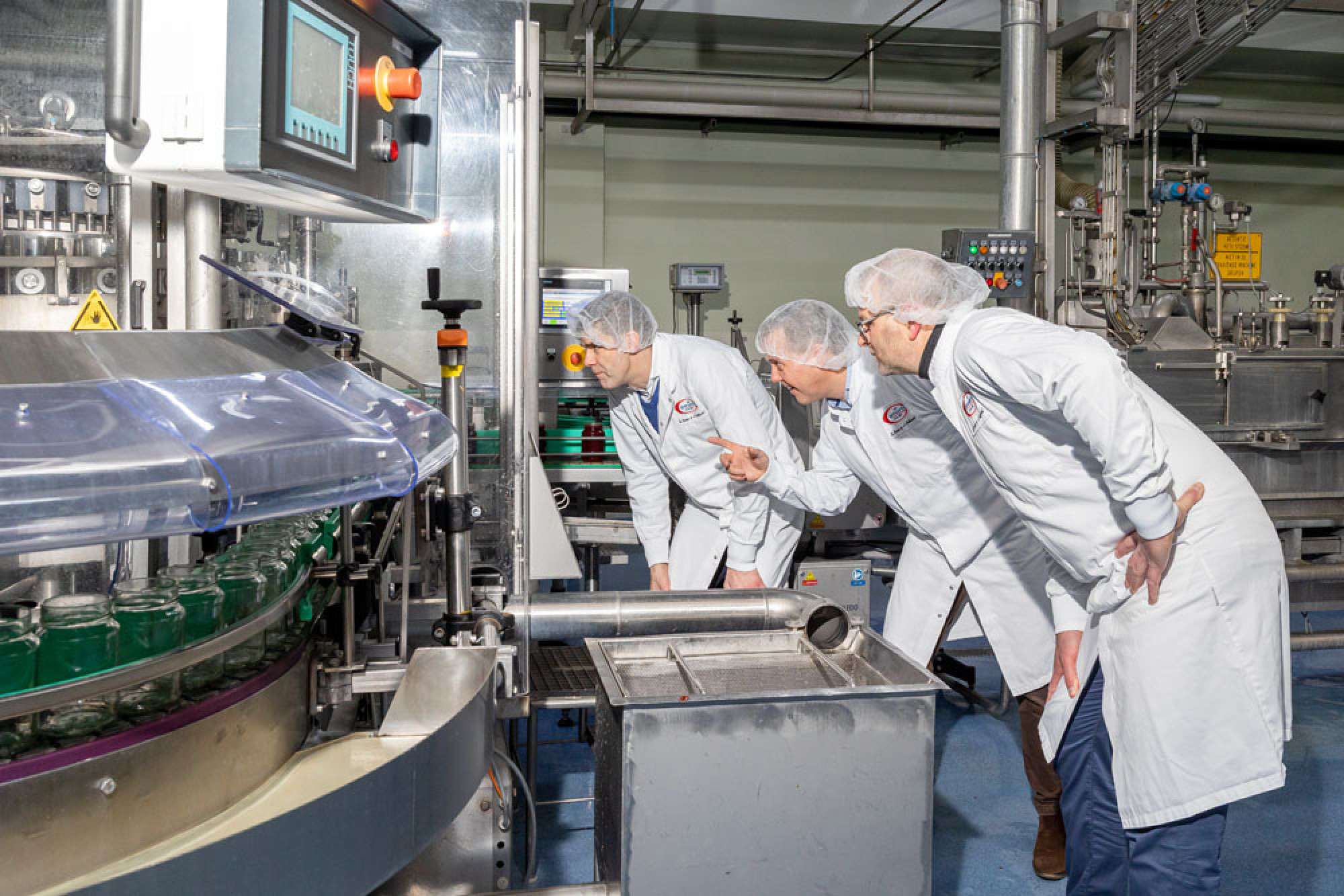
- Equipment and process compatibility (extrusion, emulsification, fermentation, etc.). For example, an extruder screw profile that does not match your dough can reduce throughput or cause inconsistent forming. Identifying such equipment bottlenecks during vetting can avert costly, recurring delays.
- EU documentation readiness
- Capacity reality
- Raw material and packaging supply stability
- Commercial structure and exit flexibility
Many alternative protein scale-ups lose momentum at this stage. Scaling up plant-based food manufacturing can pose challenges, including supply chain bottlenecks and difficulties in setting up flexible manufacturing networks to meet retailer demands. When working with manufacturers, watch for warning signs such as vague or delayed documentation, limited experience with your product type, overpromising production capacity, or reluctance to share quality certifications and audit reports. If a manufacturer will not run realistic pilot trials or avoid technical discussions, these are also concerns. Spotting these issues early helps prevent costly problems later.
Step 4: Compliance: Your Fast-Track, Not Red Tape
In plant-based food manufacturing, compliance goes beyond labelling.
It includes:
- Claims validation and legal interpretation
- Allergen management systems
- Traceability and recall readiness
- Food contact and packaging compliance
- Supplier declarations
If you build compliance into your process early, you can avoid having to reformulate, relabel, or get new approvals later.
Step 5: Structured Onboarding for Scalable Plant-Based Contract Manufacturing
The onboarding phase determines whether plant-based outsourcing becomes scalable.
Best-practice onboarding includes:
- Final product specifications
- Trial protocols and acceptance criteria
- Shelf-life validation
- Packaging line trials
- Defined quality limits
This approach shifts plant-based manufacturing from trial-and-error to a more controlled, reliable process.
Checklist: Are You Ready to Scale Plant-Based Manufacturing in Europe?
Rate yourself from 1 (not at all confident) to 5 (fully confident) for each question below. This quick self-check will show where your strategy is strong and where gaps might put your scaling at risk.
Ask yourself:
- Can our manufacturer realistically support our growth curve?
- Are EU compliance and claims fully embedded in our documentation?
- Is our packaging validated at scale?
If you score low or are unsure about answers, review your outsourcing strategy before scaling up. Ensuring regulatory compliance is crucial, as gaps can cause legal issues. Consult with your team or a co-manufacturing expert, such as Cibus Nexum, to ensure your strategy is solid and compliant. Acting now boosts confidence and reduces regulatory risks. These tips highlight why careful planning and compliance are vital in the growing plant-based food industry.
Why Manufacturing Strategy Determines Success in Plant-Based Food
The most successful plant-based brands are not always the ones that launch the fastest.
They are the ones that:
✔ Align product innovation with process reality
✔ Embed compliance and quality early
✔ Build partnerships designed for scale
Speed helps you enter the market.
But only a strong strategy leads to long-term success and a real competitive advantage.
How Cibus Nexum Supports Plant-Based Manufacturing Outsourcing
Cibus Nexum helps plant-based and alternative protein companies as independent experts. We usually start with a discovery call to learn about your goals, challenges, and current manufacturing setup. Then, we guide you through co-manufacturer scouting and vetting, roadmap development, and EU compliance planning. At each step, we provide clear deliverables, like supplier shortlists, risk assessments, and detailed action plans. Founders and teams stay involved through regular check-ins and workshops at key milestones, making sure knowledge is shared and everyone feels confident throughout the process.
We guide teams through:
- Co-manufacturer identification and vetting
- EU-compliant outsourcing strategy
- IP-safe onboarding and trials
- Pilot-to-scale roadmap development
- End-to-end manufacturing execution
We always focus on long-term scalability and do not have exclusive partnerships with any manufacturers.
Our FoodFlow Method
Are launching a new concept, scaling an emerging business, valorizing side streams, benchmarking your current production setup or accelerating innovation as a brand?
We transform promising ideas into commercially viable, scalable solutions:
Discover the power of the FoodFlow Method!
A revolutionary approach that transforms your food production. With this innovative method you optimize your processes, increase efficiency and achieve impressive results.
Upscaling & Outsourcing
Business Development
Curious about how the FoodFlow Method can lead your company to success? Download our whitepaper and discover the method behind this groundbreaking concept.
Meet Us at Plant FWD (or Start the Conversation Before)
If you plan to scale a plant-based product in 2026, having an Outsourcing Roadmap can help you avoid costly setbacks.
Meet us at Plant FWD to discuss your manufacturing roadmap, make-or-buy strategy, or scale-up challenges.
Alternatively, book an introductory call before the event to prepare for a focused discussion.
We help you turn your innovation into scalable manufacturing, making the process more efficient and helping you avoid expensive mistakes.
Sign up for the latest tips and that you can put into practice right away.







Call me back request