



Protecting Plant-Based IP in Manufacturing: Why an NDA Is Only the Beginning
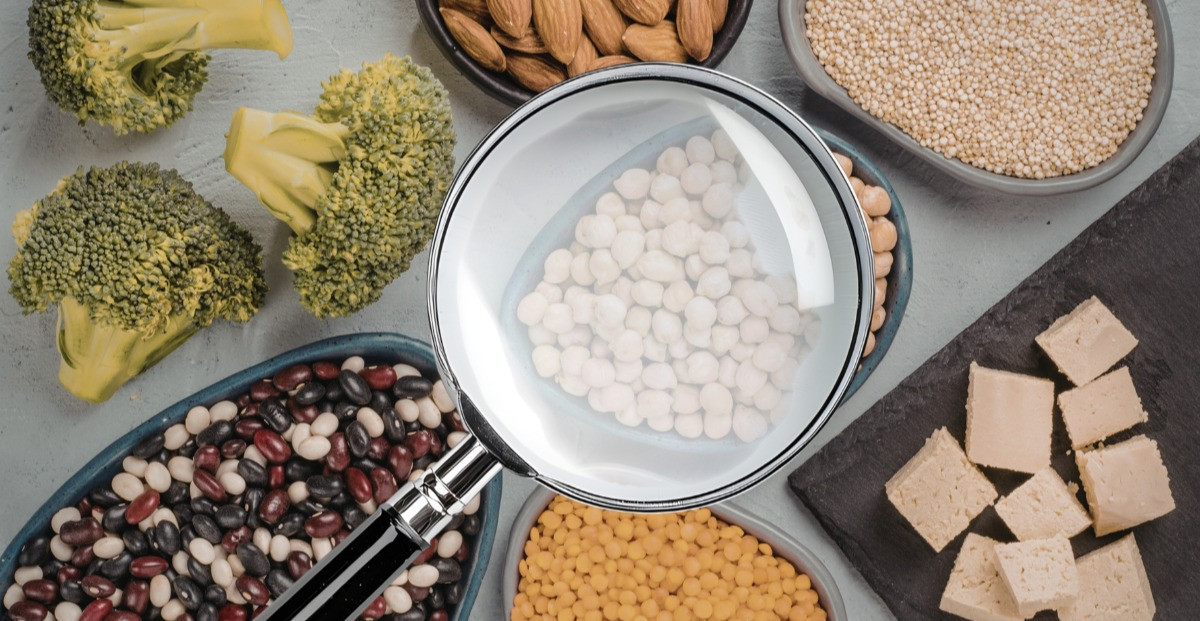
Many founders hesitate to share their plant-based recipes when outsourcing manufacturing. They often say, "We can't share it. It's our edge."
This fear can delay outsourcing, even when the business needs to grow. An NDA is important, but it does not fully protect your intellectual property (IP) or your plant-based product. Securing your plant-based recipes depends on how you design processes, control information, and define terms in your contract manufacturing agreements.
Why an NDA Alone Doesn’t Protect Your “Secret Sauce
An NDA is a legal agreement that sets out expectations and helps ensure those expectations are met.
However, NDAs do not cover every risk. You might share your recipe with the wrong people, or your data could spread internally. Manufacturers may learn important process details during trials or use information from your documents to create similar products.
NDAs alone are not enough. Use multiple layers of IP protection in plant-based manufacturing through segmented information, process design, and strong contract manufacturing agreements. Consider these safeguards for protecting food innovation and intellectual property.
Step 1: Control What You Share (Information Segmentation for Food Manufacturing)
Most manufacturers do not need to see your entire document. Break the information into sections and share only what is needed for each stage. Limit access to sensitive data.
Only share the necessary details for each step and ensure access is tightly controlled within the team. Keep important information, such as ratios and key steps, confidential. Start with a functional specification and add more details as manufacturing progresses.
Keep exact ratios and critical steps within your team. Begin with a functional specification and share more as your partnership grows.
Step 2: Protect Key Inputs (Ingredient and Supplier Strategy)
If your competitive edge comes from a unique plant-based ingredient blend, treat it as valuable property and protect it with food manufacturing best practices.
Pre-blend key components or work with a trusted partner, so manufacturers receive only the finished blend.
Limit access to detailed ingredient formulations to necessary personnel only.
Monitor supplier contracts closely to stop unauthorised substitutions or manufacturers from sourcing ingredients on their own.
Establish clear substitution rules that specify when and how changes happen.
These steps help prevent reverse engineering and leakage of your recipe.
Pre-blending inputs and using black box ingredients, along with strict contracts, collectively reduce risks. A good manufacturer should be able to make your product reliably without ever seeing your proprietary knowledge.
Step 3: Lock Down Manufacturing Process Know-How (Not Just the Plant-Based Recipe)
Much of your intellectual property is in the process. Critical details include processing temperatures, shear rates, hydration timing and order, extrusion settings, screw profiles, and precise mixing procedures. Each factor shapes your product’s final texture, yield, and stability.
Document key specifications, control and record changes, and restrict manufacturer modifications.
These steps protect your process knowledge and ensure you own all improvements.
Step 4: Write IP Into the Contract Manufacturing Agreement for Plant-Based Brands
Your agreement should define IP, address who owns improvements, limit similar product development, ensure confidentiality for everyone involved, grant audit rights, and specify how to handle data and materials after the contract ends. Make sure your contract defines IP, including what existed beforehand and what is created during the partnership.
Be clear about who owns any improvements to processes or products.
Set clear non-compete clauses and explicit limits on whether the manufacturer can develop or produce similar products for other companies during and after your partnership.
Make sure confidentiality covers all staff and subcontractors, and establish audit rights and clear rules for handling documents.
Decide what will happen to all data, tools, and materials at the end of the contract.
With these protections in place, confidentiality becomes routine.
Step 5: Choose the Right Partner and Build Trust Through Governance
Choosing the right partner helps protect your IP.
Be on the lookout for warning signs: vague answers about confidentiality, resistance to limiting access, unwillingness to specify subcontractors, broad substitution rights, or hesitation to agree on change control. Build trust by having strong governance. Hold regular meetings, keep decision logs, set clear escalation paths, and outline onboarding and acceptance steps.
A Quick Self-Check Before Your Next Manufacturer Meeting
Before your next meeting, check what you need to share. Make sure key ingredients are protected. Review contracts for process terms and the exit plan. If any of these answers are unclear, your IP could still be at risk, even if you have an NDA.
How Cibus Nexum Helps Plant-Based Brands Protect Innovation and Intellectual Property While Scaling
Cibus Nexum helps plant-based brands outsource safely. We organise information disclosure, design black-box strategies, define process specifications, draft contracts, and choose manufacturers with strong controls.
Meet Us at Plant FWD
Scaling in 2026?
Are you ready to grow your plant-based business without risking your intellectual property? We can help you develop a solid confidentiality plan for food manufacturing that safeguards your plant-based ideas as you expand.
Book an introductory call so we can prepare a focused, practical discussion that meets your needs.
Disclaimer: This article is for informational purposes only and does not constitute legal advice. For legal interpretation of NDAs and contract clauses, consult qualified counsel.
Sign up for the latest tips and that you can put into practice right away.











Call me back request